Crochet Mom: A Designer’s Review for Embroidery Projects
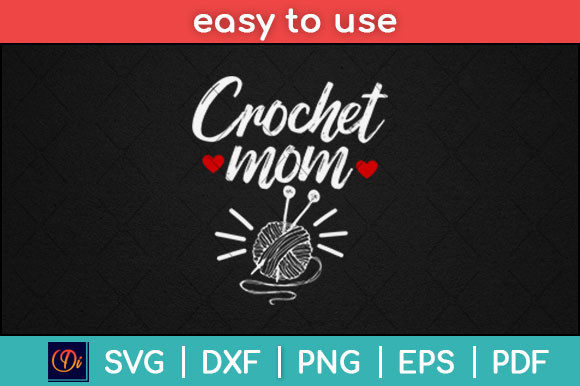
As an experienced designer and embroidery product reviewer, I approach every new asset with a critical eye. It is not enough for a design to look good on a screen; it must translate beautifully into thread and fabric. Today, I am evaluating Crochet Mom, a digital graphic that has caught my attention for its thematic warmth and potential in the handmade market. While the product description identifies it as a Print Templates and Graphics file compatible with cutting machines like Cricut and Silhouette, my focus here is strictly on its viability for real-world embroidery applications.
First Impressions and Visual Personality
The first thing that strikes me about Crochet Mom is its inherent nostalgia. The theme taps directly into the current resurgence of fiber arts appreciation, blending the identity of motherhood with the tactile comfort of crochet. Visually, the layout suggests a balance between bold statement pieces and delicate detailing. For an embroidery designer, this duality is crucial. A design that is too dense can become a puckered mess, while one that is too sparse may lack impact on larger garments.
The mood created by this design is cozy, inviting, and authentic. It does not scream for attention with aggressive typography or chaotic elements. Instead, it offers a quiet confidence that appeals to makers who value craftsmanship. When I visualize this as a machine embroidery design, I see potential for a mix of stitch types. The textual elements likely require clean satin stitch borders for clarity, while any illustrative components, such as yarn balls or hooks implied by the theme, could benefit from fill stitch textures to mimic the look of actual crocheted fabric.
Real-World Application: The Custom Tote Bag Scenario
To truly test the merit of Crochet Mom, let us consider a specific real-life scenario. Imagine a client requesting a custom tote bag design for a local yarn shop’s holiday promotion. The shop owner wants something that resonates with their core demographic: mothers who knit and crochet. Using Crochet Mom as the central motif on a heavy canvas tote would be a strategic choice.
In this context, the design needs to hold up against the textured weave of canvas. If the original files are vector-based SVGs, as suggested by the compatibility with cutting machines, they scale well. However, for embroidery, we must digitize these vectors carefully. I would recommend using a running stitch for finer details to prevent bulk, ensuring the stitch density remains moderate. This prevents the fabric from distorting, which is a common issue when embroidering large areas on unstructured bags. The result would be a professional handmade product that feels high-value and thoughtful, enhancing the shop’s brand consistency.
Versatility Across Product Lines
Beyond tote bags, Crochet Mom shows promise across various embroidery project types. For sweatshirt embroidery, the design could serve as a chest logo or a larger back piece. On fleece or cotton blends, the contrast between the thread and the fabric is key. I advise testing different thread colors to ensure readability. A monochromatic look using varying shades of cream and beige could evoke a vintage feel, while bright contrasting colors might appeal to a younger, more vibrant audience.
For baby embroidery, such as on onesies or burp cloths, the scale must be reduced significantly. Here, the simplicity of the design works in its favor. Complex details often get lost or become scratchy when miniaturized. By simplifying the digitization process for smaller hoop size applications, you can create a soft, durable personalized gift that withstands frequent washing. Similarly, for embroidered patch creation, the design’s clear outlines allow for clean merrowed edges, making it a standout item for craft fairs or online Etsy seller shops.
Technical Considerations and Cautionary Notes
While Crochet Mom is versatile, there are areas where caution is necessary. Since the source files are described as print and cut files, they are not native embroidery formats. This means you cannot simply load them into your machine. You must digitize them or convert them using specialized software. During this process, pay close attention to corners and curves. Sharp angles in vector graphics can lead to thread breaks or poor coverage if not properly under-stitched.
Be mindful of fabric texture and stability. On stretchy fabrics like jersey t-shirts, using the wrong stabilizer can cause the design to warp after washing. I always recommend a cut-away stabilizer for garments that will be worn and washed regularly. Additionally, if you plan to use this on dark fabrics, consider adding a white underlay to prevent the fabric color from showing through the stitches, which can muddy the visual appeal.
Another critical factor is the intended use. If you are creating commercial embroidery items for sale, you must verify the licensing terms of the original digital embroidery file or graphic asset. Just because a file is compatible with Cricut does not automatically grant commercial rights for embroidered goods. Always check the creator’s terms to ensure you are compliant, protecting your craft business from legal issues.
Enhancing Brand Value and Customer Trust
From a business perspective, the choice of design impacts perceived value. Crochet Mom carries an emotional weight that generic designs lack. When customers see a well-executed embroidery of this theme, they associate it with care, skill, and personal connection. This boosts customer trust and encourages repeat business. For small shop product lines, having a cohesive theme helps in building a recognizable brand identity.
Furthermore, using high-quality design assets like this allows for better marketing materials. You can create printable mockup images that show the design on various products, helping online buyers visualize the finished product. This reduces hesitation and increases conversion rates. Whether it is for holiday embroidery gifts or year-round custom apparel, the right design elevates the entire offering.
Practical Designer Notes for Implementation
- Test on Scrap Fabric: Always stitch out a test sample on the same material you intend to use for the final product. This reveals issues with tension and density.
- Check Thread Contrast: View your design in black and white to ensure the shapes remain distinct without color reliance.
- Review Stitch Density: Adjust density based on fabric weight. Lower density for lightweight fabrics to prevent puckering.
- Confirm Hoop Size: Ensure the design fits comfortably within your machine’s hoop, leaving adequate margin for clamping.
- Inspect Small Details: Zoom in on the digitized file to check for tiny jumps or unnecessary trims that could weaken the structure.
- Verify Licensing: Before selling items made with Crochet Mom, confirm that the license covers commercial use of embroidered goods.
In conclusion, Crochet Mom is a compelling asset for designers willing to put in the digitization work. Its thematic resonance and visual clarity make it suitable for a wide range of embroidery file applications, from appliqué design elements to full-fill logos. By approaching it with technical precision and creative insight, you can transform a simple graphic into a cherished handmade product that speaks to the heart of the maker community.